Loading
জয়নুল আবেদিন
Zainul Abedin
29 December 1914 — 28 May 1976Kishorganj, Bengal (now Bangladesh)
RealismExpressionismFolk Art
Biography
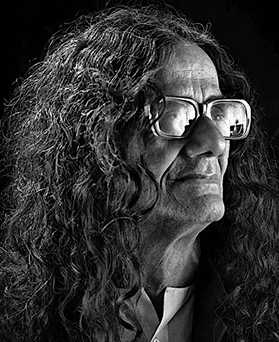
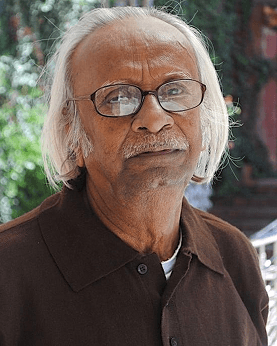
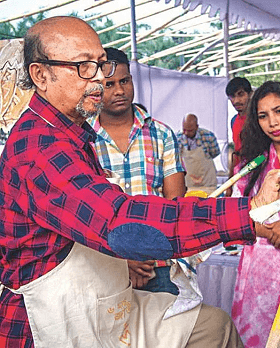
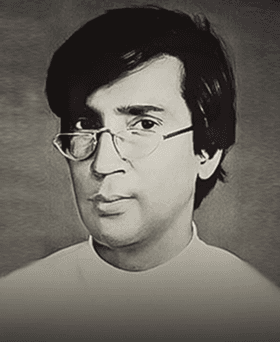
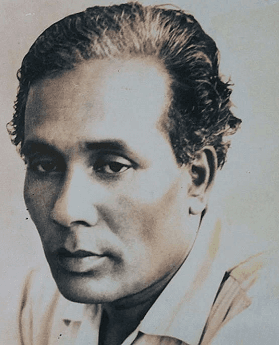
Zainul Abedin (1914–1976), fondly called Shilpacharya (The Great Teacher of Art), was the founding father of modern Bangladeshi art. Born in Kishorganj, he studied at the Government School of Art in Calcutta before founding the Government Institute of Fine Arts in Dhaka in 1948, which later became the Faculty of Fine Arts at the University of Dhaka.
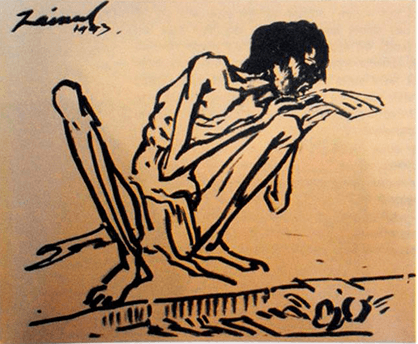
His most celebrated works are the Bengal Famine Sketches (1943), a series of harrowing drawings depicting the devastating Bengal famine that killed millions. Executed in charcoal and ink, these works stand among the most powerful social documents in the history of South Asian art — raw, urgent, and deeply human.
Beyond tragedy, Abedin celebrated the beauty of rural Bengal through vibrant depictions of rivers, boats, fishermen and everyday village life. His scroll paintings — Nakshi Kantha (1969) and Manpura (1970) — are among the longest narrative paintings in the world.
He received the Pride of Performance Award from Pakistan in 1958, the Sitara-e-Imtiaz in 1966, and became the first recipient of Bangladesh's highest civilian honour, the Independence Day Award, in 1976, just months before his death.
“Art is not a luxury; it is a necessity of life — as necessary as bread.”
— Zainul Abedin
Life & Career
1914
Born in Kishorganj, Bengal
1938
Graduated from Government School of Art, Calcutta
1943
Created Bengal Famine Sketches — iconic social documents
1948
Founded Government Institute of Fine Arts, Dhaka
1966
Awarded Sitara-e-Imtiaz by Pakistan
1969
Completed Nakshi Kantha scroll painting
1975
Founded Bangladesh National Museum of Art
1976
Received Independence Day Award; passed away in Dhaka
Notable Works
6 works
Bengal Famine Sketch No. 1
1943 · Charcoal on paper
Flood
1955 · Watercolour
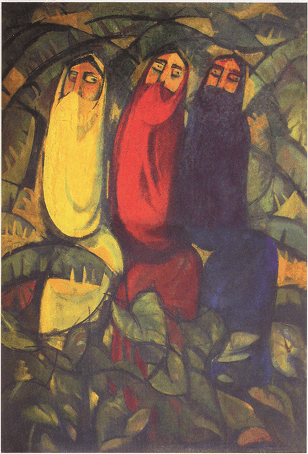
Nakshi Kantha
1969 · Scroll — mixed media
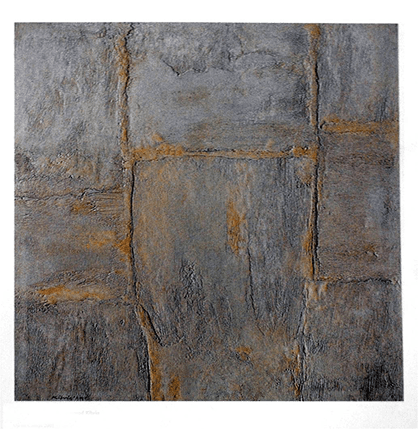
Manpura
1970 · Scroll — mixed media
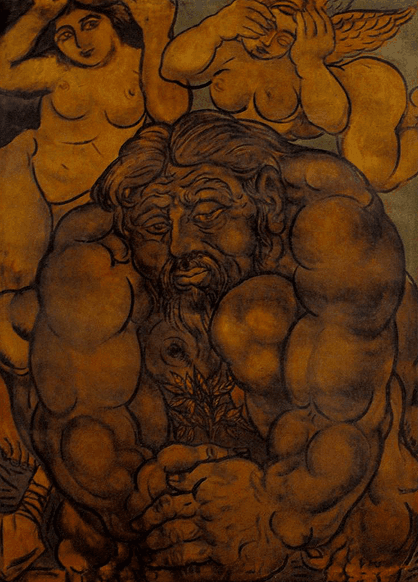
Boat on the River
1952 · Oil on canvas
Village Women
1960 · Ink on paper