Loading
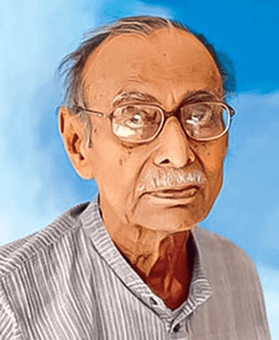
মোহাম্মদ কিবরিয়া
Mohammad Kibria
1929 — 2011Rajshahi, Bengal (now Bangladesh)
AbstractExpressionismPrintmaking
Biography
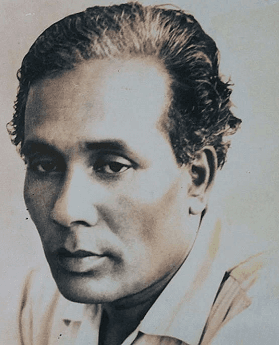
Mohammad Kibria (1929–2011) was one of the most internationally acclaimed Bangladeshi abstract artists — a painter and printmaker whose work synthesised Japanese aesthetics with Bengali sensibility, creating a visual language that was uniquely his own.
Born in Rajshahi, he studied at the Government Institute of Fine Arts in Dhaka before winning a scholarship to study in Tokyo, Japan, under the Colombo Plan. In Tokyo, he immersed himself in Japanese woodblock printing traditions and Zen-influenced aesthetics, which profoundly shaped his subsequent work.
Returning to Bangladesh, Kibria joined the faculty of the Institute of Fine Arts, Dhaka, where he taught for many years. His abstract paintings — large canvases of layered colour fields, gestural marks, and subtle textures — draw on both the Bengali landscape and the meditative traditions of Japanese art. His palette was restrained and sophisticated: ochres, greys, deep blues, and earthy reds.
His prints, influenced by Japanese mokuhanga (woodblock) traditions, achieved international exhibition and collection in Japan, Europe, and North America.
He received the Ekushey Padak in 1980.
Life & Career
1929
Born in Rajshahi, Bengal
1954
Graduated from Government Institute of Fine Arts, Dhaka
1959
Scholarship to study in Tokyo, Japan
1964
Returned to Dhaka; joined faculty of Institute of Fine Arts
1975
Major solo exhibition in Tokyo
1980
Received Ekushey Padak
1990s
International exhibitions in Europe and USA
2011
Passed away in Dhaka
Notable Works
6 works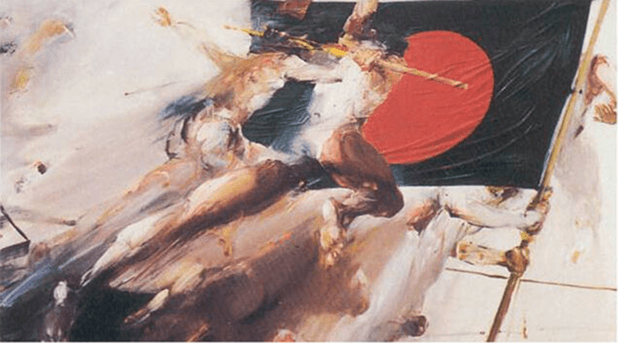
Abstract No. 7
1966 · Oil on canvas
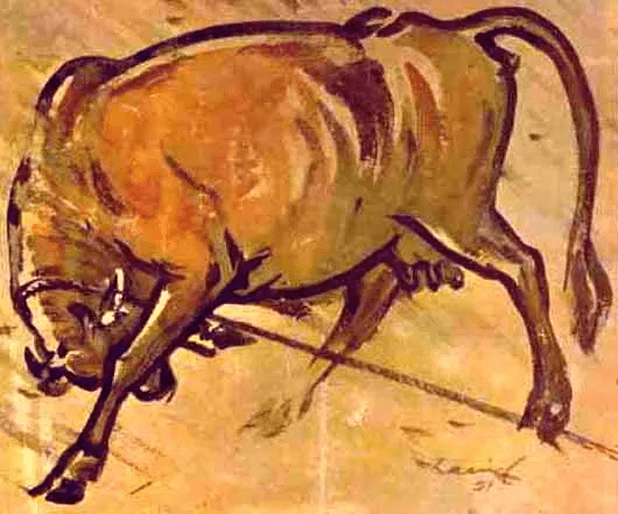
Tokyo Memory
1972 · Woodblock print
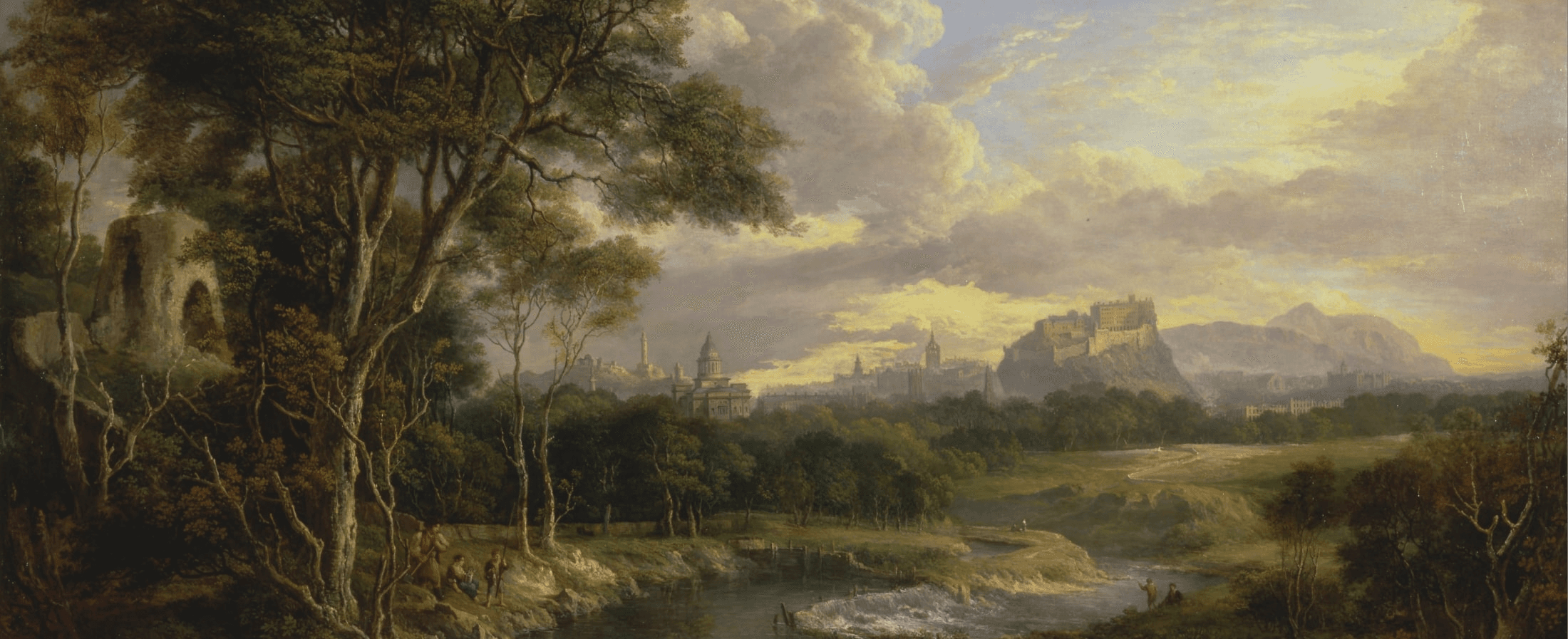
River Abstraction
1978 · Oil on canvas
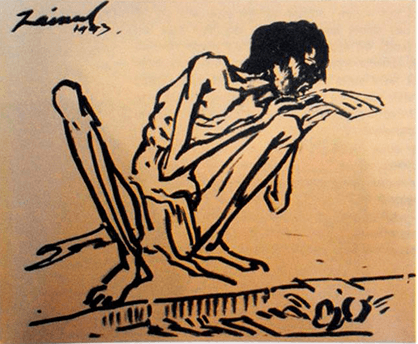
Silence
1985 · Mixed media
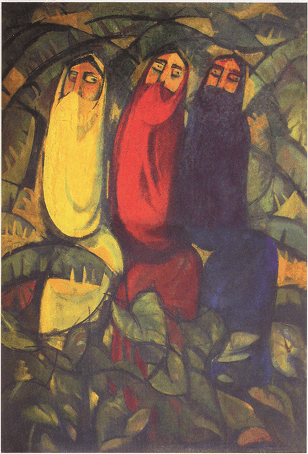
Bengal Horizon
1992 · Oil on canvas
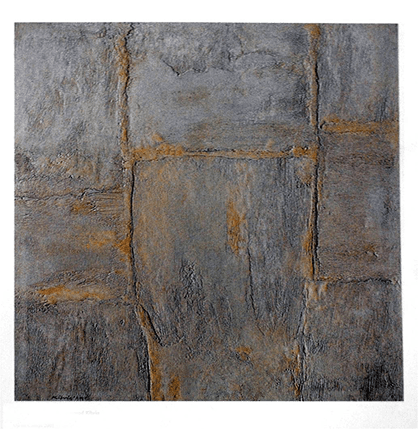
Late Evening
2000 · Acrylic on canvas